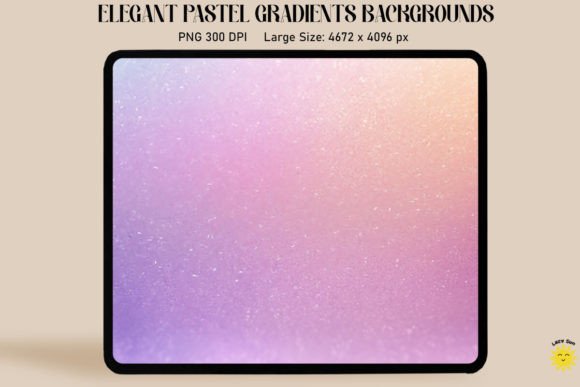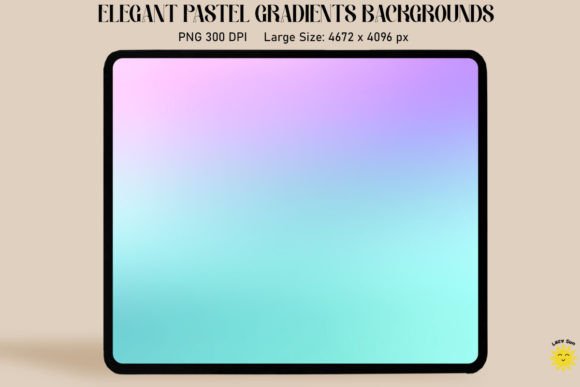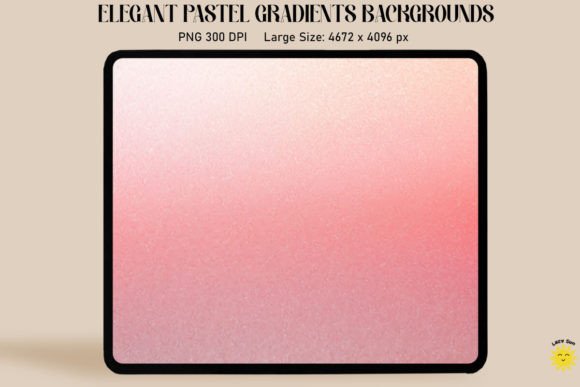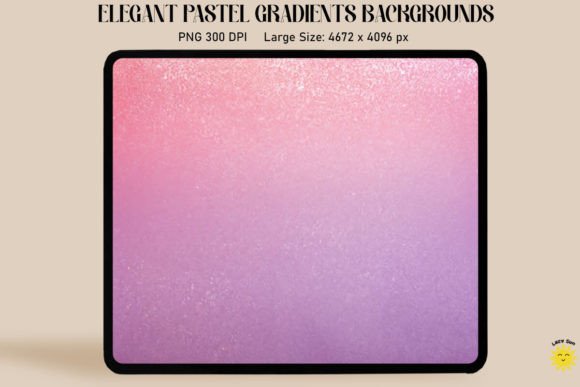
Blue Green Pastel Gradient Backgrounds: A Designer's Gentle Touch
The Soft Power of Seamless Color Flow
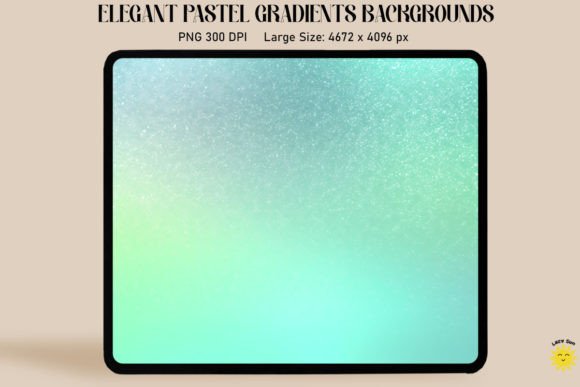
There's a particular kind of visual calm that comes from looking at a well-executed gradient. Not the harsh, oversaturated kind that dominated early web design, but the subtle, almost imperceptible shift from one soft tone to another. This is exactly the territory Blue Green Pastel Gradient Backgrounds inhabit. Imagine the gentle transition from a muted seafoam green into a whisper of powder blue, or the way a soft teal melts into a barely-there mint. These backgrounds don't shout; they breathe. They offer a sense of organic movement and depth without competing for attention, making them a remarkably versatile tool in a designer's asset library.
The visual personality of these gradients is one of understated elegance and approachability. They carry a modern, clean aesthetic that feels both fresh and timeless. Unlike flat color blocks, the gradient introduces a subtle dynamism, guiding the eye smoothly across a composition. The pastel tones themselves evoke feelings of tranquility, clarity, and gentle sophistication. They are the visual equivalent of a quiet morning by the water—soothing, expansive, and full of potential. This makes them particularly effective for projects aiming to convey trust, creativity, wellness, or a forward-thinking yet friendly brand identity.
Strategic Applications: Where Soft Gradients Shine
The true value of a design asset like this lies in its application. For brand identity, a blue green pastel gradient can become the cornerstone of a visual system. Think of a logo set against this shifting backdrop, immediately establishing a brand as contemporary and thoughtful. It works exceptionally well for businesses in the wellness, beauty, sustainable goods, tech, or creative services sectors. The gradient can be pulled into social media templates, website hero sections, and presentation decks to maintain a cohesive and professional look. It acts as a unifying design asset, ensuring consistency across all touchpoints without feeling monotonous.
In web design, these backgrounds are a secret weapon for creating depth and focus. Use them behind call-to-action sections to draw the eye, or as a full-page background to set a serene tone for a portfolio or blog. For editorial design and publishing, imagine a book cover or magazine spread where text floats over a soft, expansive gradient. It provides a rich, textured field that makes typography pop, especially when paired with a clean sans serif font for body text or an elegant serif font for headlines. The key is that the background supports the content; it doesn't overwhelm it.
Beyond the digital realm, the high-resolution 300 DPI PNG files are perfect for print projects. The large dimensions (4672 x 4096 px) mean they can be scaled for posters, banners, and large-format prints without losing quality. For crafters and hobbyists, these are ideal for creating custom greeting cards, invitations, scrapbook pages, and party decorations. The soft palette is inherently celebratory yet refined, suitable for everything from a baby shower to a milestone birthday. For packaging design, a subtle gradient on a box or label can elevate a product, suggesting quality and attention to detail. It’s a way to incorporate color theory and modern aesthetics into a physical product.
Working With Gradients: Practical Considerations
Integrating a background like this effectively requires a thoughtful approach to the foreground elements. Readability is paramount. Because the gradient is soft and low-contrast, text placed over it needs to be in a color that offers sufficient contrast—typically a dark charcoal or a deep navy blue. Testing your text at various sizes and weights is crucial. For visual hierarchy, you can use the gradient's natural flow to guide placement. A darker area of the gradient can anchor a main headline, while a lighter area might host secondary information.
When considering font pairing, the elegance of the gradient calls for typography that complements its style without clashing. A modern sans serif font like Montserrat or Lato for body copy ensures clarity. For headlines, you might choose a geometric sans serif for a tech-forward feel or a transitional serif like Georgia for a more classic, editorial look. Avoid overly decorative script fonts or handwritten fonts for large blocks of text, as they can become difficult to read against the shifting colors, though they can work beautifully for a single word or monogram.
Always remember that colors may appear slightly different across screens and printers. It's a good practice to view your design on multiple devices if color accuracy is critical. Since the files are provided as non-layered PNGs, they are ready to use as-is in most design software, but they are not editable vector files. This simplicity is their strength—they are a finished, high-quality starting point. Before committing to a final project, do a small test print or screen mockup to ensure the gradient interacts with your other elements exactly as you envision. This kind of practical testing is what separates a good idea from a polished, professional result.
Ultimately, these blue green pastel gradient backgrounds are more than just pretty colors. They are a versatile, mood-setting foundation that can elevate a wide array of projects. They offer a way to incorporate contemporary aesthetics and a sense of calm professionalism into your work, whether you're building a brand from the ground up, designing a website, creating marketing materials, or crafting a personal project. Their strength lies in their subtlety and their ability to support, rather than dominate, your creative vision.