Coffee Backgrounds: Adding Warmth to Digital Design
In the digital world, clean lines and sterile white spaces often dominate the landscape. However, there is a growing counter-movement in design that seeks texture, nostalgia, and tactile warmth. This is where Coffee Backgrounds come into play. These are not just random brown images; they are carefully crafted digital assets that mimic the organic stains and rich tones of a vintage coffee shop. For designers, marketers, and content creators, these coffee-dyed blank vintage backgrounds offer a unique way to break away from the monotony of modern minimalism and inject a sense of history and comfort into their projects.
The Visual Character of Coffee-Dyed Textures
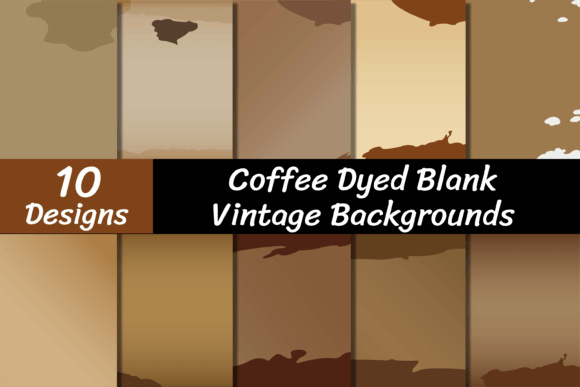
When we talk about Coffee Backgrounds, we are discussing a specific aesthetic that blends the organic nature of biology with digital precision. Visually, these files are characterized by uneven saturation, sepia undertones, and the distinct "ring" marks often associated with a hot mug resting on paper. Unlike a flat color fill, a coffee-dyed vintage digital paper has depth. It suggests a story. The edges might appear burnt or softened, creating a natural vignette that draws the eye toward the center of the design.
The personality of these backgrounds is inherently rustic and authentic. They communicate a sense of slowness in a fast-paced world. For a brand strategist, this visual language speaks volumes without using words. It suggests that the content is handcrafted, thoughtful, and worthy of a closer look. Whether you are using the AI, EPS, or SVG vector formats for infinite scalability, or the JPG and PNG files for quick implementation, the quality remains paramount. At 6000 x 4000 pixels, these high-resolution assets ensure that the texture remains crisp even on large format prints or 4K displays.
Strategic Applications for Modern Creators
The versatility of these coffee-dyed assets is remarkable. They bridge the gap between personal projects and commercial utility. Here is how different professionals can leverage them:
- Brand Identity & Logo Design: For businesses in the hospitality, bakery, or artisan sectors, using a coffee background behind a logo can instantly establish the right mood. It works exceptionally well as a texture overlay in packaging design, giving labels a "farm-to-table" feel.
- Editorial & Web Design: Bloggers and publishers can use these backgrounds to break up long blocks of text. A subtle coffee stain in the margin of an e-book or a newsletter adds a layer of visual interest that keeps readers engaged. In web design, they can serve as hero images for "About Us" pages to humanize the brand.
- Social Media Graphics: In the scroll-heavy environment of Instagram or Pinterest, texture stops the thumb. A quote overlay on a vintage coffee background creates an immediate emotional connection. It feels more tangible than a digital graphic, which often leads to higher engagement rates.
- Crafting & Scrapbooking: For hobbyists, these digital papers are perfect for printing. You can print them out to create physical scrapbook covers, greeting cards, or decoupage projects. The vintage style pairs beautifully with handwritten fonts or classic serif typefaces.
Influence on Readability and Visual Hierarchy
One of the practical challenges of using textured backgrounds is maintaining readability. However, the design of these specific Coffee Backgrounds addresses this by offering "blank" variations. These are not cluttered; they provide areas of relative calm where text can breathe.
When placing text over a coffee-dyed paper, visual hierarchy becomes crucial. You need to ensure contrast. Because the backgrounds are usually mid-tone browns and beiges, dark charcoal or deep espresso-colored text often works better than pure black. Furthermore, these backgrounds influence brand perception. A coffee aesthetic suggests warmth, reliability, and groundedness. If you are a small business owner trying to appear approachable rather than corporate, these assets help shape that narrative.
Technical Integration and Workflow
For the modern designer, workflow efficiency is key. The inclusion of multiple file formats—AI, EPS, JPG, PNG, SVG, and PDF—means these assets are ready for almost any software environment. Whether you are working in Adobe Illustrator to create vector-based graphics or Canva for quick social media posts, there is a file type ready to go.
It is important to note the technical requirement regarding the download. These files are delivered as a ZIP folder to preserve quality and bundle the assets neatly. You will need unzipping software like WinZip or WinRAR to extract them before use. Once extracted, the high-resolution nature of the files (6000x4000) allows for significant cropping without pixelation. This is particularly useful for print design, where you might need to zoom in on a specific section of the coffee stain to create a unique texture for a business card or a flyer.
Choosing the Right Asset for Your Project
When selecting a background from this collection, consider the emotional weight of your project. A lighter, tea-stained paper might suit a delicate wedding invitation, while a heavily stained, dark roast texture might be better for a music festival poster or a rustic menu.
Evaluate the file fit by testing it with your existing typography. If you use a modern sans-serif font, the vintage texture creates a pleasing contrast between old and new. If you use a vintage serif font, the result is a cohesive, retro aesthetic. Always review the legibility at the size it will be viewed. What looks good as a thumbnail might become too busy at full scale if the texture is too aggressive.
Ultimately, Coffee Backgrounds