Desert Western Watercolor Backgrounds: A Creative Toolkit
Capturing the Spirit of the Open Range
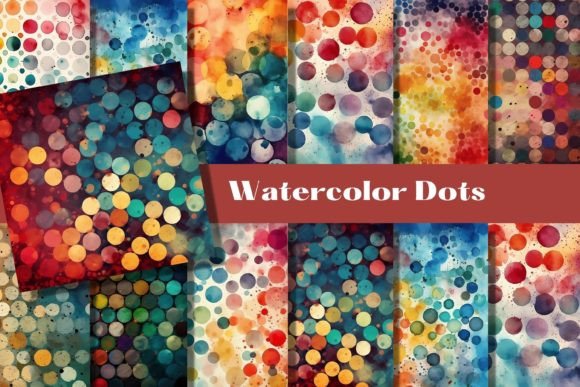
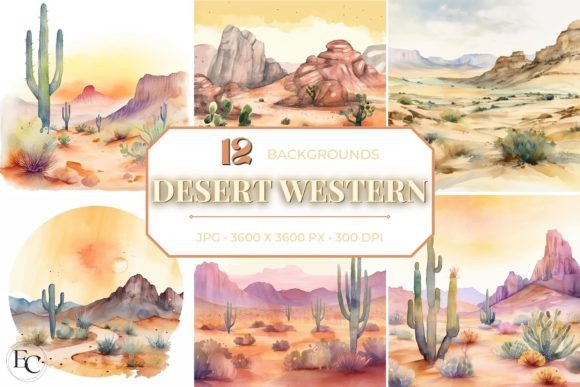
There is a specific feeling associated with the American West—rugged, vast, and deeply artistic. Capturing that essence in digital projects requires more than just standard stock photos; it demands texture and atmosphere. Desert Western Watercolor Backgrounds offer a unique solution for designers and creatives seeking that specific blend of rustic charm and artistic flair. Unlike rigid vector graphics, these backgrounds mimic the organic flow of watercolor paint, featuring soft bleeds, natural paper textures, and earthy tones that evoke sun-baked canyons, dusty trails, and vast open skies.
The visual personality of these assets is defined by their warmth and imperfection. Watercolor techniques naturally create variations in opacity and saturation, which translates to a design that feels handcrafted rather than mass-produced. This style bridges the gap between traditional art and modern digital design, offering a nostalgic yet timeless aesthetic. Whether you are working on a vintage-inspired brand identity or a rugged outdoor adventure campaign, these backgrounds provide a visual foundation that is both grounding and evocative.
Practical Applications for Modern Creatives
Understanding where these digital papers fit into your workflow is key to maximizing their value. The versatility of a 12-inch by 12-inch, 300 DPI asset makes it a heavy lifter across various mediums. For small business owners and entrepreneurs, these backgrounds are invaluable for creating a cohesive brand identity. Imagine using the same desert texture for your website header, your Instagram story highlights, and your physical business cards. This consistency builds recognition and professionalism.
Here are several practical ways to integrate these assets into your projects:
- Invitations and Stationery: Perfect for wedding invitations with a rustic theme, save-the-dates, or party announcements. The watercolor effect adds a touch of elegance that standard paper colors cannot match.
- Scrapbooking and Crafts: For digital scrapbookers, these high-resolution papers serve as perfect backdrops for family photos, especially those taken during vacations in national parks or western states.
- Social Media Graphics: Content creators can use these as backgrounds for quote cards, sale announcements, or podcast covers. The texture ensures that text remains readable while adding visual interest that stops the scroll.
- Packaging Design: If you sell artisanal goods, such as soaps, candles, or beef jerky, wrapping your product in a watercolor western print immediately communicates a story of natural ingredients and craftsmanship.
- Banners and Wallpapers: The high resolution (3600px by 3600px) ensures these images remain crisp even when scaled up for large format printing or desktop wallpapers.
Design Strategy and Visual Hierarchy
Using a textured background effectively requires a strategic approach to visual hierarchy. Because Desert Western Watercolor Backgrounds are rich in detail, they can sometimes compete with foreground elements if not handled correctly. The goal is to use the background to support the message, not overshadow it.
When pairing typography with these backgrounds, contrast is your best friend. A clean, bold sans serif font often works best against the organic, flowing lines of watercolor. The geometric precision of sans serif letters creates a pleasing tension with the soft edges of the paint. Alternatively, a strong slab serif font can reinforce the western theme while maintaining high readability. Avoid overly delicate script fonts for body copy, as they can get lost in the texture; save them for accent headers where they can shine.
Consider the opacity of the background. In web design or editorial design, you might find that lowering the opacity slightly or applying a subtle white overlay helps your text pop. This technique allows you to maintain the atmospheric quality of the desert scene without sacrificing legibility. Remember, the background sets the mood, but the content drives the action.
Evaluating Quality and Usability
When selecting design assets, technical specifications matter as much as aesthetics. These specific backgrounds come in JPG file format, which is universally compatible with almost all design software, from Adobe Photoshop and Illustrator to Canva and Procreate. The 300 DPI resolution is the industry standard for print quality, ensuring that your physical products—like brochures or posters—look sharp and professional.
For those concerned about commercial licensing, it is always best practice to review the terms provided by the creator. High-quality design assets usually come with clear guidelines on how they can be used in commercial projects, such as client work or products for sale. Using premium assets ensures that your work looks distinct, moving away from the overused free stock images found all over the internet.
Ultimately, investing in a set of 12 distinct designs gives you variety. You can cycle through different desert hues—perhaps a burnt orange sunset for one project and a dusty sage green for another—while maintaining a consistent artistic style. This collection acts as a toolkit for storytelling, allowing you to infuse your projects with the timeless allure of the West.