Stained Glass Backgrounds: A Jewel-Tone Foundation for Design
There's a certain magic to light passing through colored glass—a depth, a warmth, and an intricate play of shadow and brilliance that has captivated artists for centuries. This is the essence captured in the Stained Glass Backgrounds collection. It's not just a set of images; it's a toolkit for adding instant sophistication, narrative depth, and a touch of timeless artistry to any project. For designers, marketers, and creators seeking to move beyond flat, predictable textures, this collection offers a portal into a world of luminous complexity.
Anatomy of a Luminous Asset
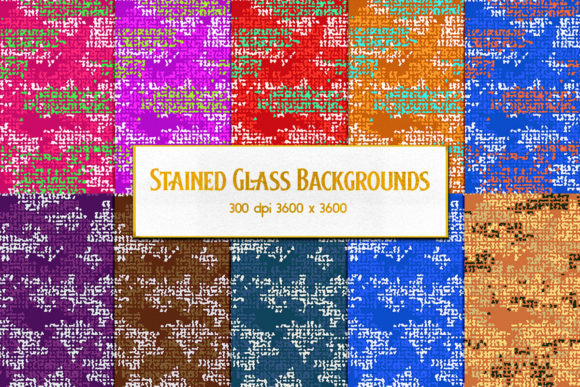
At its core, the Stained Glass Backgrounds collection comprises 14 high-resolution JPEG files, each meticulously crafted at 300 DPI and a substantial 3600 pixels. This isn't a casual download for a quick social post. It's a professional-grade design asset built for serious work. The 300 DPI ensures crisp, print-ready quality, while the 3600px width provides ample canvas for everything from large-format printing to detailed web hero sections without pixelation.
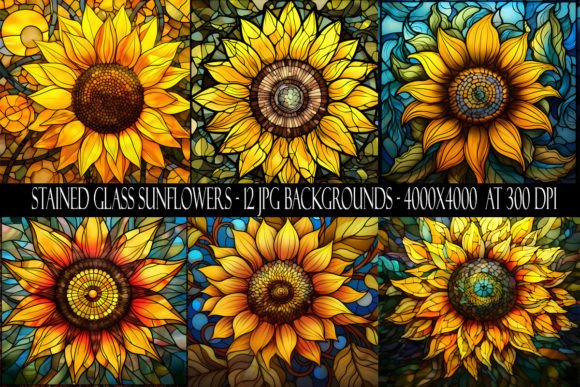
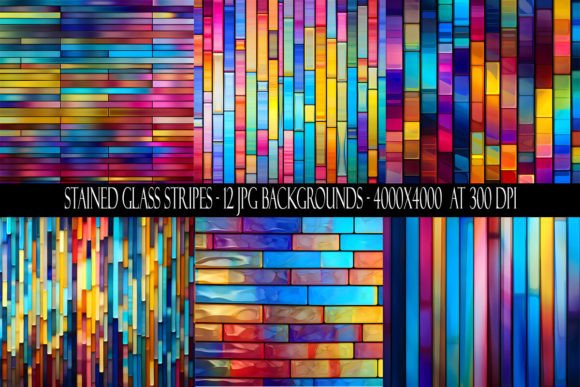
Visually, the collection explores the rich language of stained glass. You'll find designs that mimic the leading of cathedral windows, creating bold, geometric frameworks. Others evoke the flowing, organic lines of Art Nouveau, with tendrils and floral motifs. The color palettes are deep and jewel-toned—think sapphire blues, ruby reds, emerald greens, and amber golds—often layered with subtle gradients and texture that mimic the way light interacts with actual glass. The overall personality is one of premium elegance, historical reference, and tactile richness. It’s a style that communicates heritage, craftsmanship, and a deliberate aesthetic choice.
Where This Background Truly Shines
The applications for such a distinctive visual foundation are surprisingly broad, crossing the lines between digital and print, personal and commercial. Its strength lies in its ability to set a specific, powerful mood.
In brand identity and logo design, a subtle, desaturated version of a stained glass pattern can serve as a sophisticated backdrop for a luxury brand, a boutique hotel, or an artisanal product. It suggests tradition and quality without saying a word. For editorial design and publishing, these backgrounds can transform a magazine spread, book cover, or annual report, adding a layer of visual storytelling perfect for themes of history, art, faith, or luxury.
For web design and social media graphics, the collection offers a way to break through the noise. Imagine a podcast cover art with a jewel-toned, leading-inspired pattern, or a Instagram carousel for a jewelry brand using a close-up, textured glass background. The depth makes text pop and creates a memorable visual hook. Packaging design for high-end goods—perfumes, chocolates, spirits—can leverage these textures to evoke an old-world, handcrafted feel. Even crafters and hobbyists can use them for unique digital scrapbooking, invitations, or as a base for digital art projects.
The Practical Art of Choosing and Pairing
Integrating a powerful background like this requires a thoughtful approach to maintain clarity and impact. The first rule is context. Is the stained glass pattern supporting your message, or competing with it? Often, the most effective use is as a supporting player, not the main event.
Start by evaluating the project's needs. For a modern typography-driven layout, you might use a heavily blurred or darkened version of a background to create texture without visual clutter. For a more thematic piece, like an event poster for a historical society, you can use a clearer, more vibrant version. Always test your foreground elements—text, logos, and images—against the background. The high contrast inherent in stained glass designs can be a friend to readability, but only if you choose the right area and ensure sufficient color and value difference.
Font pairing is critical here. The ornate nature of the backgrounds calls for typographic balance. A clean, geometric sans serif font can create a striking modern contrast. A classic serif font can lean into the traditional, elegant feel. Avoid overly decorative script fonts or handwritten fonts that might get lost in the visual complexity of the background, unless used very sparingly for a headline. The goal is visual hierarchy: the background should establish the tone, and your typography should deliver the message with absolute clarity.
Finally, always check the licensing for your intended use, especially for commercial projects. This collection is designed as a commercial font asset, meaning it's built for professional use. Review the included styles—do you need a warmer palette or a cooler one? A geometric pattern or an organic one? Having 14 options allows you to select the perfect match for your brand identity or project brief. By treating these backgrounds as strategic design assets rather than mere decoration, you can harness their full potential to create work that is not only beautiful but also deeply resonant and professionally polished. The result is a project that doesn't just look good; it feels intentional, crafted, and rich with visual narrative.