Turquoise Vintage Wallpapers: A Designer's Guide
The digital world is saturated with fleeting trends, but some aesthetics hold a timeless power. Turquoise vintage wallpapers and backgrounds offer a unique blend of nostalgic warmth and cool, refreshing color. This isn't just about faded textures; it's a specific design language that speaks of retro charm, artisanal quality, and a quiet sophistication. For designers, marketers, and creators, understanding this style is key to unlocking projects that feel both authentic and deeply engaging.
The Visual Language of Turquoise Vintage Style
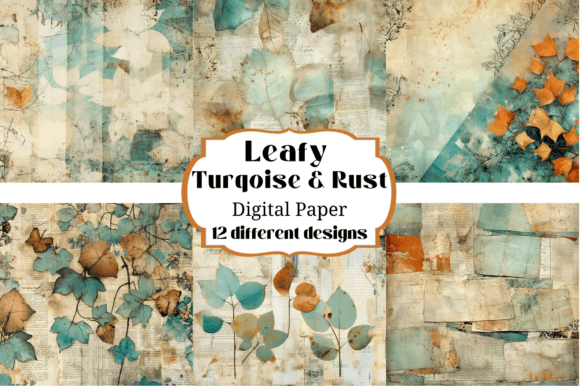
At its core, the turquoise vintage aesthetic is a study in contrast and harmony. The color turquoise itself carries a dual personality—it can evoke the serene depth of tropical waters or the oxidized patina of aged copper. When applied to vintage patterns—think intricate damasks, subtle florals, or geometric art deco motifs—it creates a visual texture that is rich without being overwhelming. The "vintage" aspect often involves a slight desaturation, a softening of edges, and the introduction of subtle grain or paper textures, which prevent the design from feeling sterile or overly digital. This combination results in a premium font for backgrounds, one that provides depth and character, allowing foreground elements like text and imagery to truly pop.
Why This Aesthetic Resonates Across Projects
The appeal of turquoise vintage wallpapers extends far beyond personal taste. In branding, this style communicates heritage, craftsmanship, and trustworthiness. A small business owner using such a background on their website or packaging instantly suggests a story behind their product. For content creators and bloggers, it offers a visually consistent and thematic foundation for social media graphics, making a feed feel curated and intentional. In editorial design, it can set a nostalgic or literary tone, perfect for book covers, magazine layouts, or journaling papers. The versatility lies in its ability to be both a bold statement and a subtle supporting actor, adapting to the needs of the project.
Practical Applications for Modern Creators
Integrating this style effectively requires thinking about context and hierarchy. In logo design and brand identity, a textured turquoise vintage background can serve as a canvas for a clean, modern sans serif font or an elegant serif font, creating a beautiful tension between old and new. For packaging design, it can make a product feel artisanal and high-quality, especially when paired with foil stamping or letterpress effects. In the digital realm, these backgrounds are ideal for website hero sections, podcast artwork, or email newsletter headers, where they need to capture attention without sacrificing readability.
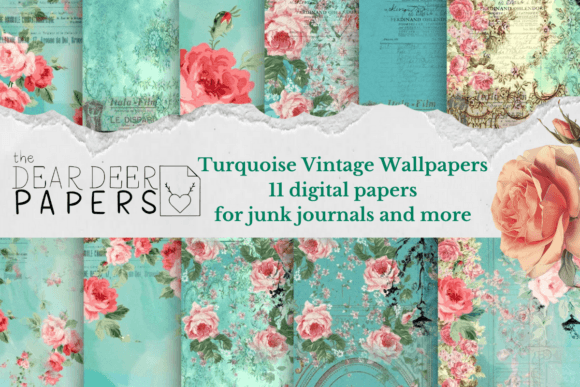
The real-world value shines in projects like the vintage style journaling paper set mentioned earlier. Here, the turquoise vintage wallpaper isn't just a decoration; it's functional. The intricate designs, when folded, create 22 unique journaling pages. This demonstrates a key principle: the best design assets are those that blend aesthetic appeal with practical utility. A designer could use these high-resolution JPGs as direct backgrounds for digital planners or as the basis for creating a cohesive set of social media templates, ensuring every post feels connected to a larger brand story.
Making Informed Design Choices
When selecting a turquoise vintage wallpaper for a project, start by evaluating its personality. Does the pattern feel more geometric and structured, or organic and floral? The former might suit a tech startup with a retro twist, while the latter aligns with a lifestyle brand or a wedding stationery business. Always test the background with your chosen typeface. A highly ornate script font might get lost in a busy vintage pattern, whereas a bold display font could stand out magnificently. Consider the font pairing carefully; a simple handwritten font for body text can complement the background's detail without competing.
Readability is paramount. Ensure there is sufficient contrast between the text and the background. Using a semi-transparent overlay or placing text within a solid shape (like a banner or text box) can solve this issue elegantly. For commercial projects, licensing is non-negotiable. The fact that some vintage elements are sourced from the public domain is a significant advantage, but always verify the specific license of the final asset you're using. A reputable provider will clearly state that the designs are available for any purpose, giving you the freedom to use them in client work, products for sale, and personal projects without legal worry.
Integrating with Your Existing Toolkit
Think of turquoise vintage wallpapers as a foundational design asset. They work exceptionally well when paired with other retro-inspired elements: muted color palettes (think mustard yellow, burnt sienna, cream), classic illustration styles, and textured paper effects. In web design, they can be used sparingly as section dividers or background accents to avoid visual fatigue. For social media graphics, a consistent use of these backgrounds can become a recognizable part of your visual identity, increasing audience engagement through familiarity and professional cohesion.
Ultimately, the power of this aesthetic lies in its ability to tell a story. It’s a visual shorthand for quality, timelessness, and creative thought. By choosing a high-resolution, versatile set of designs—like those delivered in a convenient ZIP folder with 300 PPI files—you equip yourself with a tool that can elevate everything from a personal journal to a global marketing campaign. The key is to use it with intention, allowing its nostalgic charm to enhance, not overpower, your core message. Step into that world of nostalgia, and let it inform your modern creative practice.