Vintage Wedding Backgrounds: Perfect Shabby Chic Designs for Crafts
The Enduring Charm of Faded Florals and Gentle Textures
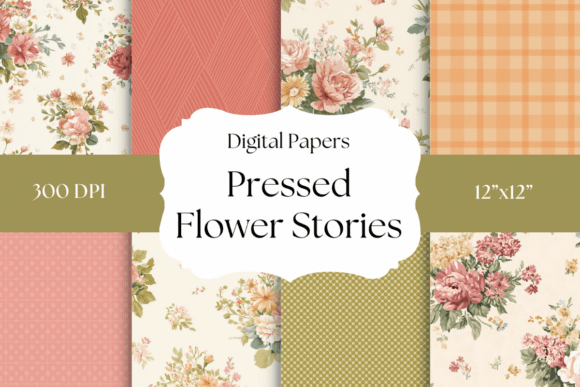
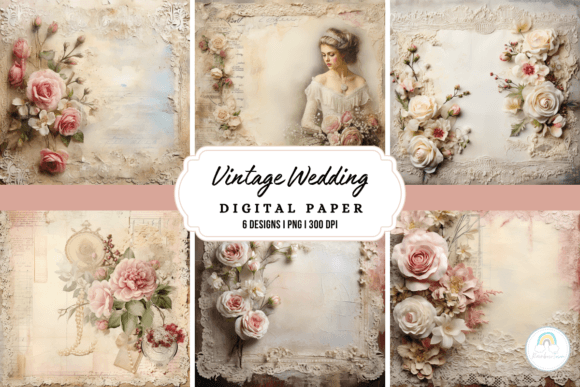
There’s a specific feeling that vintage aesthetics evoke—a sense of history, softness, and romantic nostalgia. When you are designing for events that celebrate love, such as weddings, the visual language needs to match the emotion. This is where Vintage Wedding Backgrounds truly shine. These aren't just digital papers; they are the foundation of a mood. We are talking about the "shabby chic" look—think distressed textures, soft color palettes, and delicate floral motifs that look like they have been preserved in a family scrapbook for decades.
For designers, crafters, and small business owners, finding the right design assets can be time-consuming. You need something that feels authentic, not generic. These backgrounds capture that authentic worn-in elegance. They bridge the gap between a rustic, handmade feel and a polished, professional aesthetic. Whether you are a graphic designer working on a client’s branding or a hobbyist creating a scrapbook page, the versatility of a high-quality vintage texture is invaluable. It provides a canvas that adds depth to your work without overpowering the text or focal points you place on top of it.
Technical Specifications: Why Resolution and Format Matter
In the world of print design and production, quality is non-negotiable. A beautiful design on screen can turn into a pixelated mess on a physical product if the file specifications aren't up to standard. The Vintage Wedding Backgrounds collection we are discussing offers specific technical advantages that make it a premium font (or rather, premium asset) choice for professionals.
- High Resolution: Each file is 3600 x 3600 pixels at 300 DPI. In the printing world, 300 DPI is the gold standard. This ensures that when you print your design on a large poster, a mug, or a t-shirt, the lines remain crisp and the textures remain detailed.
- Generous Sizing: At 12 x 12 inches, these are perfectly sized for standard scrapbook pages, but they are also versatile enough to be tiled for larger surfaces or cropped down for business cards and social media graphics.
- PNG Format: The use of individual PNG files is crucial for flexibility. While JPEGs are great for photos, PNGs handle transparency and complex textures better, ensuring that the "shabby" edges and distressed details remain intact without compression artifacts.
However, it is important to manage expectations regarding color fidelity. As noted in the asset details, colors can vary depending on your monitor calibration and the specific printer or substrate you use. A sage green might look slightly different on a ceramic mug compared to a cotton t-shirt. Always do a test print if color accuracy is critical to your brand identity or client project.
Practical Applications: From Sublimation to Branding
The true value of these Vintage Wedding Backgrounds lies in their adaptability. Because they are digital files, the possibilities for creative projects are virtually endless. Let’s break down how different professionals can utilize these assets.
For Print-on-Demand and Sublimation
If you run an Etsy shop or a small business selling physical goods, texture is your best friend. These backgrounds are ideal for sublimation printing. Imagine a coffee mug wrapped in a soft, distressed floral pattern, or a throw pillow that looks like it belongs in a French country home. The seamless nature of high-quality textures allows you to create products that look expensive and well-crafted. You can layer typography over these backgrounds to create wedding favors, bridesmaids' gifts, or anniversary keepsakes.
Editorial Design and Greeting Cards
In editorial design, particularly for wedding magazines, invitations, or save-the-date cards, the background sets the stage. A busy, modern geometric pattern might clash with a romantic script font. However, a shabby chic vintage background provides a "quiet" texture that supports elegant typography. It allows a serif typeface or a flowing script font to stand out while adding a layer of tactile interest to the page.
Digital Marketing and Web Design
While flat design has dominated web design recently, texture is making a comeback as brands look for ways to feel more human and relatable. Using these backgrounds as website headers or blog post featured images can instantly communicate a vintage or handmade vibe. For a wedding planner’s website or a boutique bakery, these textures reinforce the aesthetic immediately. They work wonderfully as backgrounds for quote graphics on Instagram or Pinterest, helping to maintain a consistent visual theme across your social media graphics.
Integrating Textures with Typography
A background is only as good as the text placed upon it. When working with Vintage Wedding Backgrounds, your choice of typography is paramount. Because these textures often feature noise, grain, or floral details, you need to ensure your text remains legible.
Font Pairing is the key here. If you are using a textured background, a clean sans serif font can provide a striking modern contrast, making the text pop. Alternatively, a classic serif font complements the vintage feel, creating a cohesive, timeless look. If you opt for a handwritten font or a script font, ensure the stroke weight is heavy enough to stand out against the intricate details of the background. Sometimes, adding a subtle drop shadow or placing the text inside a semi-transparent shape (like a white box with reduced opacity) can help separate the message from the texture without losing the aesthetic.
Commercial Use and Project Fit
One of the most common questions regarding digital design assets concerns licensing. This specific collection is noted as being for digital files only, meaning you download the asset to use in your projects, but you cannot resell the raw PNG files themselves as a standalone product. This is standard practice for commercial fonts and assets. You are buying the right to incorporate the design into a new, larger work—be it a t-shirt design, a wedding invitation suite, or a marketing brochure.
Before starting a project, evaluate if the "shabby chic" style fits the client's needs. While it is perfect for weddings, vintage shops, and artisanal brands, it might not be the right fit for a tech startup or a high-energy sports brand. Understanding the personality of your design assets ensures that your final product resonates with the target audience.
Ultimately, these backgrounds offer a practical, high-quality solution for anyone looking to add a touch of romance and history to their work. They save time, ensure professional print quality, and provide a versatile canvas for creativity. Thank you for your support of independent creators like RainbowTown.