The Power of Abstract Blue Backgrounds
In the world of digital and print design, the foundation upon which you build your message is just as critical as the message itself. We often spend hours debating between a serif or sans serif font for our headlines, or whether a script font conveys the right personality for a brand identity. However, the backdrop that supports this modern typography determines whether your content is legible, professional, and emotionally resonant. Abstract blue backgrounds have long been a staple in the toolkit of experienced designers, marketers, and content creators, and for good reason. They provide a sophisticated canvas that balances visual interest with the necessary neutrality to let your primary content shine.
Anatomy of a Calming Canvas
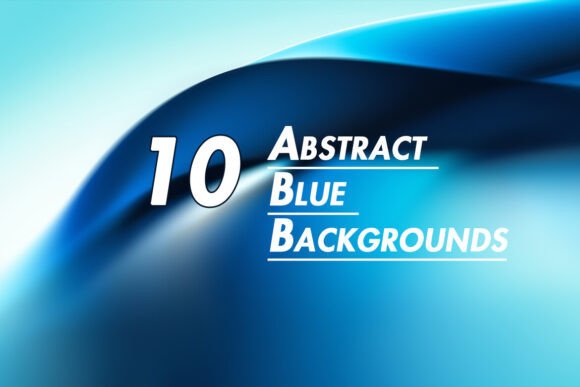
When we talk about abstract blue backgrounds, we aren't referring to a flat, solid color block. We are describing a dynamic visual asset characterized by flowing lines and depth. These designs feature smooth curves that guide the eye and subtle gradients that shift seamlessly from deep navy to soft azure. This style of visual design relies on the psychology of color; blue is universally associated with trust, stability, and serenity. By utilizing these varying shades, you create a harmonious ambiance that puts the viewer at ease.
The appeal of these specific backgrounds lies in their ability to be present without being distracting. Unlike a busy photograph of a landscape or a complex geometric pattern, abstract blue backgrounds offer a continuous tone. This makes them an ideal choice for a wide variety of applications, from high-resolution digital displays to intricate interior design mockups. They provide a "breathing room" for the eye, ensuring that the viewer focuses on the foreground elements—whether that is a bold display font used for a logo or a clean body of text.
Strategic Applications for Creative Professionals
Understanding where to deploy these assets is key to maximizing their impact. The versatility of abstract blue backgrounds extends across nearly every medium available to today's entrepreneurs and creators. Here is how different industries can leverage these design assets:
- Branding and Logo Design: When developing a brand identity, consistency is paramount. A subtle blue gradient can serve as the primary background for business cards, letterheads, and website headers. It pairs exceptionally well with both serif and sans serif fonts, providing a clean contrast that ensures your typography remains the hero of the design.
- Web Design and UI: In user interface design, clarity is king. Abstract blue backgrounds work beautifully for "hero" sections on landing pages or as backgrounds for login screens. The calming nature of the blue reduces visual stress, potentially keeping users on the page longer.
- Publishing and Editorial Design: For magazines, e-books, or annual reports, these backgrounds offer a sophisticated alternative to stark white pages. They can be used to highlight pull quotes, create chapter dividers, or frame photography, adding a layer of premium polish to the publication.
- Social Media and Marketing: In the fast-paced scroll of social media, stopping power is essential. A set of cohesive blue backgrounds helps maintain visual consistency across platforms like Instagram or LinkedIn. They provide a professional backdrop for promotional graphics, ensuring that the marketing message is readable and impactful.
- Product Packaging and Mockups: If you are showcasing a physical product or a piece of digital art, placing it against an abstract blue background can elevate the perceived value. It simulates a studio lighting environment, making the product look premium and polished.
Influence on Visual Hierarchy and Audience Engagement
The choice of background directly influences how an audience perceives your content. A cluttered or poorly chosen backdrop can ruin even the best logo design or the most creative font pairing. Abstract blue backgrounds contribute to a strong visual hierarchy by establishing a clear separation between the background layer and the content layer.
When you place a white or light-colored typeface over a medium-to-dark blue abstract gradient, the contrast naturally draws the eye to the text. This improves readability, which is a critical factor for web design and editorial design. Furthermore, the professional nature of these backgrounds signals competence to the viewer. Whether you are a small business owner sending a proposal or a blogger designing a header image, the underlying quality of your graphics suggests the quality of your work.
Practical Guidance for Implementation
To get the most out of a set of abstract blue backgrounds, you need to treat them as functional tools rather than just decoration. Here are some practical tips for evaluating and using these assets:
- Evaluate the Resolution: Always check the specifications. A set offering JPGs at 4200x2400 pixels and 300dpi is production-ready. This resolution is high enough for print design—such as flyers or posters—and scales beautifully for 4K digital displays without pixelation.
- Test Your Typography: Before finalizing a design, test how your chosen typeface interacts with the curves of the background. A handwritten font might get lost in a busy gradient, whereas a bold, modern sans serif will stand out sharply. Ensure your font pairing maintains legibility against the varying shades of blue.
- Check for Consistency: If you purchase a set, look for variety within the collection. A good set should offer different intensities and flow patterns so you can use one style for a website banner and a slightly different variation for a social media post, maintaining brand consistency without repetition.
- Color Grading: Don't be afraid to adjust the hue slightly in your editing software to match specific brand guidelines, but be careful not to over-saturate the image, which can ruin the subtle gradients that make the design effective.
Ultimately, abstract blue backgrounds are more than just a trend; they are a foundational design asset. By incorporating these high-quality, calming visuals into your projects, you ensure that your creative work is viewed in the best possible light—professional, readable, and visually engaging.